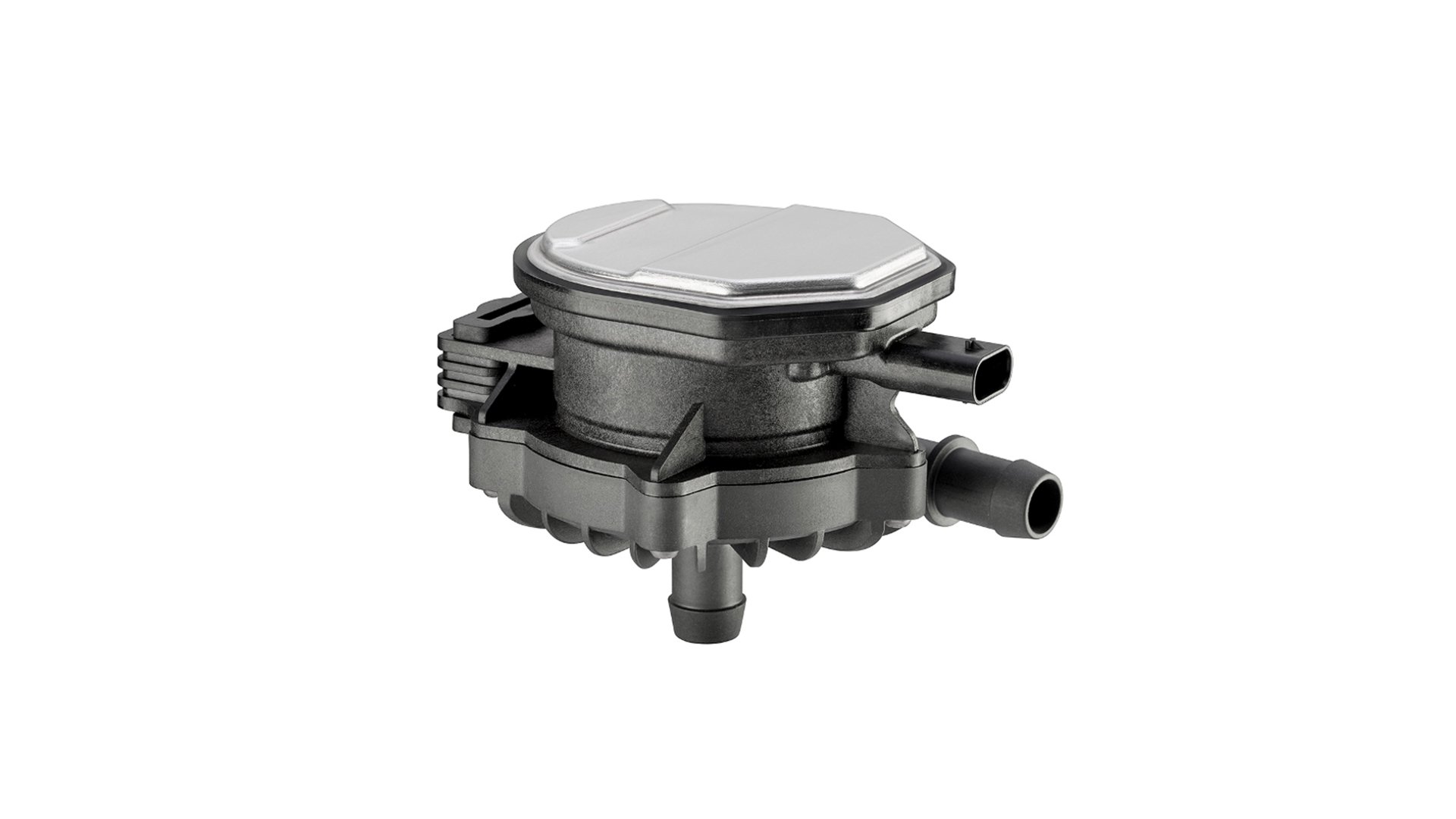

A purge pump, in layman’s terms, is a crucial mechanism that facilitates the elimination of unwanted substances from a system. Think of it as the unsung hero quietly ensuring the cleanliness and efficiency of various processes. Designed to swiftly remove pollutants, gases, or liquids, a purge pump operates with precision and effectiveness. Its significance lies in maintaining the integrity and smooth operation of industries like manufacturing, environmental, and chemical. Let’s delve deeper into the realm of “what is a purge pump” and unravel its indispensable role in modern industrial operations.

What is a Purge Pump: A Comprehensive Guide
Welcome, young engineers and curious minds! Today, we are diving into the fascinating world of purge pumps. Have you ever wondered about those mysterious devices that help remove unwanted substances from different systems or appliances? Well, look no further because we are about to uncover the secrets of what a purge pump is and how it works. So, let’s embark on this adventure together and explore the wonders of purge pumps!
The Basics of Purge Pumps
Imagine a magical pump that can cleanse and purify various machines and systems by removing impurities and unwanted elements. That’s essentially what a purge pump does! A purge pump is a special type of pump designed to eliminate contaminants, gases, liquids, or other undesired substances from a system or device.
How Does a Purge Pump Work?
Now, you might be wondering, “How does a purge pump perform this magical task?” Well, let me break it down for you in simple terms. A purge pump operates by creating a flow of air, gas, or liquid that helps flush out impurities from the system it is connected to. This process ensures that the system remains clean and functions efficiently.
Uses of Purge Pumps
Purge pumps have a wide range of applications across different industries and systems. They are commonly used in refrigeration systems, air conditioning units, chemical processing plants, and even spacecraft! In essence, anywhere there is a need to remove unwanted substances, a purge pump comes to the rescue.
Types of Purge Pumps
There are several types of purge pumps, each designed for specific purposes and systems. Let’s explore some common types of purge pumps:
1. Air Purge Pumps
Air purge pumps are used to remove air or gas from systems to prevent contamination or improve performance. They are commonly found in refrigeration systems and industrial machinery where air bubbles can cause issues.
2. Liquid Purge Pumps
Liquid purge pumps, on the other hand, are utilized to remove liquid contaminants from systems. These pumps are crucial in industries such as water treatment plants, where clean water is essential for various processes.
3. Chemical Purge Pumps
Chemical purge pumps are specially designed to handle corrosive or hazardous chemicals. They ensure that these substances are safely removed from systems to prevent damage or harm to the environment.
Benefits of Using Purge Pumps
Now that you have a better understanding of what purge pumps are and how they work, let’s explore some of the benefits of using these remarkable devices:
1. Improved System Efficiency
By removing contaminants and impurities, purge pumps help systems operate more efficiently and smoothly. This leads to reduced downtime and maintenance costs in the long run.
2. Environmental Protection
Purge pumps play a crucial role in protecting the environment by ensuring that harmful substances are properly removed and disposed of. This helps prevent pollution and minimizes the impact on nature.
3. Enhanced Product Quality
In industries where product quality is paramount, purge pumps help maintain high standards by keeping systems clean and free from contaminants. This results in superior products and satisfied customers.
In Conclusion
At the end of our journey into the world of purge pumps, we have learned that these devices are indispensable in keeping systems clean, efficient, and safe. Whether it’s removing air, liquid, or chemicals, purge pumps are the unsung heroes that ensure everything runs smoothly. So, the next time you encounter a purge pump, remember the magic it performs behind the scenes to keep things running smoothly. Until next time, keep exploring, learning, and discovering the wonders of engineering!
SYMPTOMS OF A BAD PURGE VALVE | Signs Purge Valve is BAD
Frequently Asked Questions
What Does a Purge Pump Do?
A purge pump is a device used to remove unwanted air, gas, or fluids from a system or container. It helps in maintaining proper pressure and flow by eliminating any trapped air, gas, or other impurities.
How Does a Purge Pump Work?
A purge pump operates by creating a vacuum or suction force that draws out the unwanted substances from the system. It then expels these substances through a dedicated outlet to ensure the system remains free of contaminants.
Where Are Purge Pumps Commonly Used?
Purge pumps are frequently employed in various industries such as HVAC systems, refrigeration units, chemical processing plants, and water treatment facilities. They are essential for maintaining optimal performance and efficiency in these systems.
What Are the Benefits of Using a Purge Pump?
Using a purge pump helps prevent blockages, corrosion, and inefficiencies in systems by ensuring proper circulation and reducing the risk of contamination. It also helps to prolong the life of equipment and improve overall operational reliability.
Final Thoughts
In conclusion, a purge pump is an essential piece of equipment used to remove condensable gases in vacuum systems. By efficiently evacuating unwanted substances, it helps maintain optimal working conditions and extends the lifespan of the system. The role of a purge pump is especially crucial in ensuring the overall performance and reliability of various industrial processes.