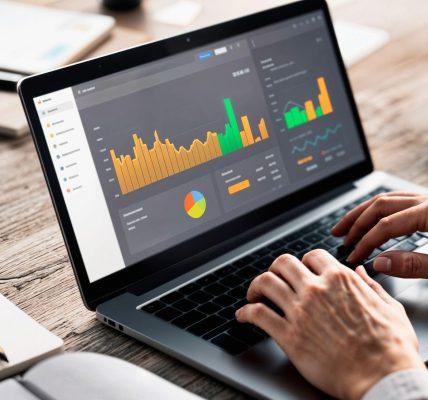
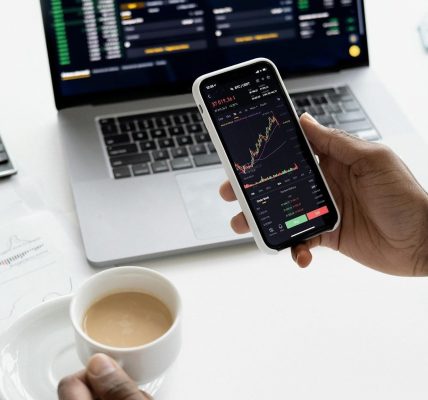
In an age where digital connectivity defines much of daily life, financial markets have undergone a major transformation. Gone are the days when investing was a domain limited to professionals with access to expensive resources and specialized knowledge. Today, anyone with an internet connection and a trading account can manage investments with ease and flexibility. online trading has become a cornerstone of modern financial participation, offering real-time access, diverse instruments, and the ability to control investments from virtually anywhere at any time.
Accessibility Redefined by Technology
Online trading platforms have redefined investment accessibility. With a smartphone, tablet, or computer, investors can access markets without geographical limitations. This constant connectivity ensures that traders and investors are never far from their portfolios, whether they are commuting, traveling, or simply relaxing at home.
Unlike traditional brokerage services, which often require scheduling and involve higher costs, online platforms allow users to execute trades instantly. Orders can be placed or adjusted in real time, providing flexibility that matches the pace of today’s fast-moving markets. The ability to act on market developments immediately is crucial in capitalizing on opportunities and minimizing risks.
Control in the Hands of the Investor
One of the most valuable benefits of online trading is the empowerment of the investor. No longer dependent on intermediaries to make decisions, users now have full control over their investment choices. This shift has put individuals at the center of their financial journey, giving them tools to act swiftly and based on their own strategies.
Trading platforms provide various types of orders such as market, limit, and stop-loss orders, allowing investors to tailor their trade execution to specific preferences. Whether one aims to minimize losses, secure profits, or buy at a certain price, these tools enable strategic precision.
In addition, many platforms offer portfolio management features that help users track performance, manage risk exposure, and rebalance holdings with ease. This level of control promotes accountability, deeper understanding, and better long-term financial decision-making.
Diverse Investment Opportunities
Online trading offers access to a wide range of asset classes. Investors can explore stocks, forex, indices, cryptocurrencies, ETFs, options, bonds, and commodities—all from a single platform. This extensive selection allows for diversified investment strategies tailored to individual risk tolerance and financial goals.
Diversification plays a key role in reducing risk and improving overall portfolio resilience. An investor might, for example, balance high-risk stock investments with more stable bonds or safe-haven assets like gold. Others may use forex trading to capitalize on global currency fluctuations or enter emerging markets for long-term growth.
This breadth of choices enhances investment flexibility and supports active or passive strategies depending on each investor’s preferences.
Real-Time Market Insights and Tools
Online trading is not just about placing trades—it’s also about making informed decisions. Most trading platforms include real-time price feeds, interactive charts, economic calendars, and up-to-date news. These features provide a continuous stream of market data to help investors analyze trends and anticipate movements.
Technical analysis tools such as moving averages, RSI, MACD, and Fibonacci retracements are commonly integrated into platform charts. These tools are especially helpful for active traders who base decisions on short-term patterns.
Fundamental investors benefit from financial reports, earnings calendars, and macroeconomic indicators that provide context for long-term investment decisions. The availability of this information in one interface enables faster, smarter, and more confident decision-making.
Automated Trading and Alerts
Automation has become a valuable aspect of online trading. Many platforms offer automated trading options through expert advisors or trading bots. These tools execute pre-defined strategies without manual intervention, ensuring consistent performance and emotion-free execution.
Investors can also set up alerts for price movements, news events, or specific technical conditions. These alerts notify users when opportunities or risks arise, helping them stay engaged even when not actively monitoring the market.
For investors managing multiple assets or strategies, automation and alerts ensure they remain efficient and responsive, maximizing potential while reducing oversight burden.
Mobile Trading Adds Unmatched Convenience
Mobile trading apps have brought an additional layer of flexibility. Whether traveling across time zones or balancing work and personal commitments, investors can manage their portfolios on the go.
Mobile platforms mirror many of the features available on desktop versions, including charting, order placement, and account management. With push notifications, mobile trading ensures that users stay connected to their investments and the market at large.
This ability to monitor and manage investments anytime means investors never miss a beat, even when life demands mobility.
Lower Costs and Transparent Pricing
Traditional investing methods often came with high brokerage fees and commissions. Online trading has significantly lowered these costs, making investing more affordable for the average individual. Many platforms offer commission-free trades, competitive spreads, and no account maintenance fees.
Cost transparency is another hallmark of online trading. Investors can see fees, margin requirements, and bid-ask spreads upfront, allowing them to calculate potential returns more accurately. Lower costs and transparent pricing help improve profitability and build trust in the trading process.
Continuous Learning and Educational Support
Investors today benefit from a wealth of educational resources provided directly within online trading platforms. These include webinars, tutorials, blogs, trading simulators, and courses that cover a range of topics from beginner basics to advanced trading strategies.
Such content helps new users understand how markets work, how to analyze trades, and how to use tools effectively. Experienced traders can refine skills or explore new techniques like algorithmic trading or options strategies.
By promoting financial literacy and continuous learning, platforms empower users to make better-informed investment decisions over time.
Risk Management Tools
Online trading platforms emphasize risk management, a critical aspect of sustainable investing. Features such as stop-loss and take-profit orders, margin calculators, and portfolio diversification warnings are built into many systems.
Some platforms provide risk analysis tools that simulate the impact of trades on portfolio value under various market conditions. These features encourage investors to approach trading responsibly and with a long-term view.
Understanding and managing risk allows investors to protect capital during downturns and remain positioned for recovery or growth in the future.
Security and Regulatory Assurance
Security is a top priority for online trading services. Most reputable platforms use advanced encryption, two-factor authentication, and secure servers to protect user information and funds.
In addition, many platforms are regulated by financial authorities in their respective regions. This oversight ensures compliance with financial standards, enhances credibility, and provides a legal framework for conflict resolution.
Traders should always verify a platform’s regulatory status before committing funds. Choosing a licensed and transparent provider is essential for long-term investment success.