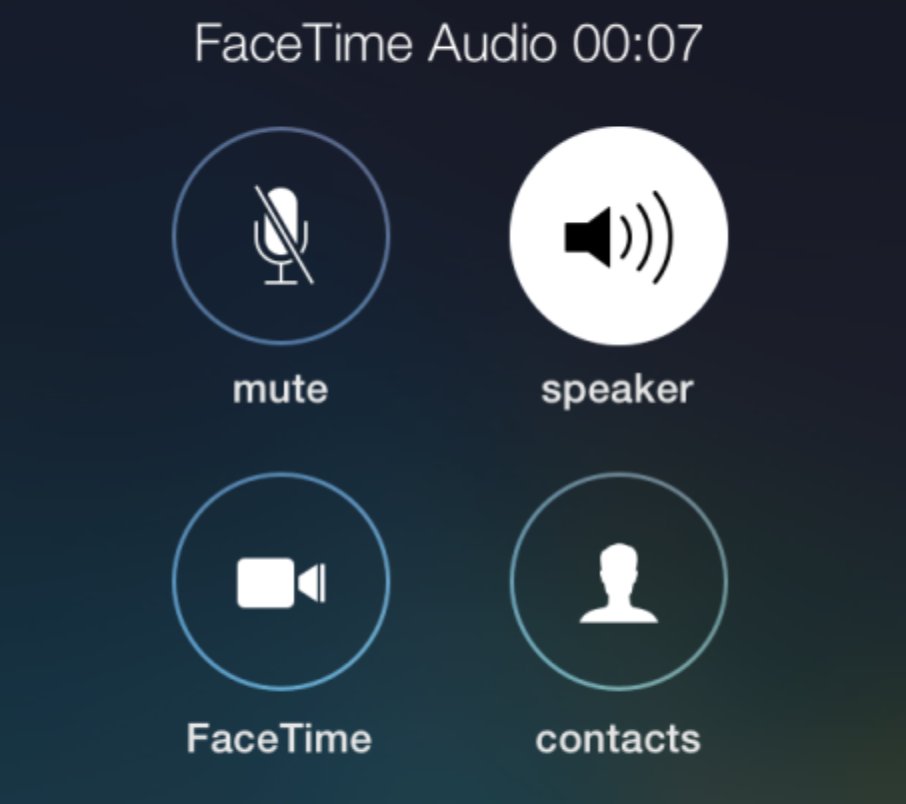

An audio call is the modern-day magic that connects voices across the globe. No longer restricted by physical distance, a simple tap initiates communication. Often overlooked in the digital age, the importance of a clear, concise audio call cannot be overstated. It bridges gaps, fosters relationships, and amplifies understanding. Free from distractions, it’s the purest form of connection. So, let’s dive deeper into the essence of what is a audio call.

What Is an Audio Call: Exploring the Basics of Voice Communication
Welcome to our in-depth guide on audio calls! In today’s world, staying connected with friends, family, and colleagues is easier than ever, thanks to the advent of various communication technologies. One of the most common and widely used methods is the audio call. In this article, we will delve into what exactly an audio call is, how it works, its benefits, and much more. Let’s dive in!
The Basics: Understanding Audio Calls
So, what is an audio call, you may ask? Simply put, an audio call is a form of communication where two or more individuals can talk to each other over a voice connection using electronic devices such as smartphones, landline phones, or computers. Unlike text messaging, audio calls allow for real-time conversations, making them a popular choice for both personal and professional communication.
How Do Audio Calls Work?
Audio calls operate by converting sound waves (your voice) into digital signals that can be transmitted over the internet or through traditional phone lines. When you make a call, your device’s microphone captures your voice, which is then encoded and sent to the recipient’s device. The receiving device decodes the digital signal back into sound waves, allowing the other person to hear what you’re saying.
The Benefits of Audio Calls
There are several advantages to using audio calls as a means of communication. One of the key benefits is the ability to convey emotions and nuances through voice, which can be challenging to do through text alone. Audio calls also facilitate quicker decision-making, as real-time conversations enable participants to exchange ideas and information promptly.
Enhanced Connection and Understanding
Unlike text-based communication, audio calls provide a sense of immediacy and connection between individuals. Hearing someone’s voice can help build rapport and understanding, making conversations more engaging and meaningful. Additionally, tone of voice and intonation play a crucial role in conveying emotions and intentions, enhancing the overall communication experience.
Efficiency and Productivity
Audio calls are often more efficient than exchanging multiple text messages back and forth. By speaking directly to the other person, you can address questions or concerns in real time, leading to faster problem-solving and decision-making. This can be especially beneficial in work-related contexts where quick communication is essential.
Types of Audio Calls
Audio calls come in various forms, each serving different purposes and user preferences. Some common types include:
1. Direct Calls:
Direct calls involve dialing a specific phone number or contacting someone through a communication app to initiate a one-on-one conversation. This type of audio call is ideal for private discussions or quick updates.
2. Conference Calls:
Conference calls allow multiple participants to join a single call, enabling group discussions and collaboration. This format is commonly used in business settings for team meetings, project updates, and client calls.
3. VoIP Calls:
Voice over Internet Protocol (VoIP) calls utilize the internet to transmit voice data, offering a cost-effective and flexible alternative to traditional phone calls. VoIP services, such as Skype and Zoom, have gained popularity for their high-quality audio and video capabilities.
In conclusion, audio calls play a vital role in modern communication, enabling individuals to connect and interact in real time regardless of their physical location. Whether you’re catching up with a friend, conducting a business meeting, or seeking technical support, audio calls offer a convenient and effective way to communicate effectively. We hope this article has provided you with a better understanding of what audio calls are and how they can benefit you in your daily interactions. Happy calling!
phone calling #soundeffects #call #sound #memes #freesoundeffects #answer
Frequently Asked Questions
What are audio calls?
An audio call is a communication method that allows individuals to talk to each other in real-time over a phone or internet connection. It involves transmitting the sound of the caller’s voice from one device to another.
How do audio calls differ from video calls?
Audio calls focus solely on the transmission of sound, allowing users to communicate verbally without the need for video. On the other hand, video calls include both audio and video components, enabling users to see each other in addition to hearing their voices.
What equipment is needed for making audio calls?
To make audio calls, you typically need a device with a microphone and speaker, such as a smartphone, computer, or landline phone. Additionally, a stable internet connection or cellular network is required for seamless audio transmission.
Final Thoughts
In conclusion, an audio call is a form of communication where individuals can interact by speaking to each other in real-time using devices like smartphones or computers. It allows for direct verbal exchanges, making conversations more personal and efficient. Audio calls offer a convenient way to connect with others, whether for work meetings, catching up with loved ones, or seeking assistance. Embracing the simplicity and effectiveness of audio calls can enhance communication experiences in various aspects of our lives.