
A procedure turn is a maneuver used by pilots to align their aircraft for an approach to a runway. Executed typically when a standard 180-degree turn is required to establish the aircraft on the final approach course. This technique is crucial in aviation to ensure safe and precise landings. Understanding the ins and outs of what is a procedure turn can enhance a pilot’s skills and confidence during challenging flight conditions. Let’s delve deeper into this essential aviation procedure to grasp its significance and execution.

What is a Procedure Turn?
Welcome, future aviators! Today, we are going to dive into the exciting world of aviation and explore a fundamental concept known as the procedure turn. If you’re ready to take your knowledge of flying to new heights, then buckle up and let’s soar into the skies together!
Understanding the Basics
So, what exactly is a procedure turn? In simple terms, a procedure turn is a maneuver that pilots perform during an instrument approach when they need to reposition the aircraft to align with the final approach course. It’s like making a U-turn in the sky to get back on track before landing safely at the destination airport.
Procedure turns are essential for ensuring that the aircraft approaches the runway in a controlled manner, following a predefined path that maximizes safety and efficiency. Think of it as following the directions on a map to reach your destination without getting lost!
When Are Procedure Turns Used?
Procedure turns are typically used in situations where the initial approach to the airport is not aligned with the final approach course. This can occur due to various factors, such as air traffic congestion, terrain obstacles, or the need to intercept a specific navigation signal.
Imagine you’re flying towards an airport, and suddenly you need to make a detour to avoid a mountain in your path. This is where a procedure turn comes into play, allowing you to safely navigate around the obstacle and continue towards the runway.
Types of Procedure Turns
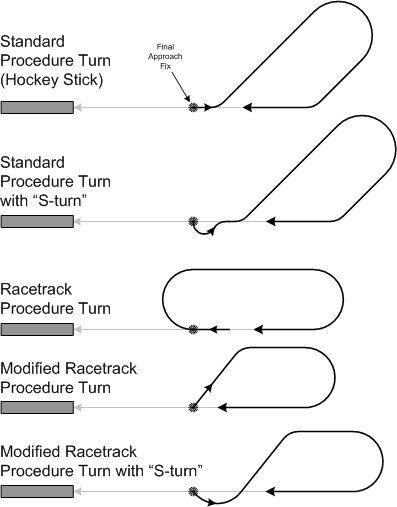
There are different types of procedure turns that pilots can execute based on the specific requirements of the approach. The two main types are the standard procedure turn and the holding pattern procedure turn.
Standard Procedure Turn
A standard procedure turn involves making a 180-degree turn to the right or left, typically at a specified fix or waypoint. This maneuver allows the aircraft to reverse its direction and align with the final approach course in a systematic manner.
During a standard procedure turn, pilots need to follow specific altitude and speed restrictions to ensure a smooth transition and maintain separation from other aircraft in the vicinity. It’s all about precision and coordination in the skies!
Holding Pattern Procedure Turn
In some cases, pilots may be instructed to enter a holding pattern as part of the procedure turn. This involves flying in a racetrack pattern around a designated holding fix until cleared to continue the approach.
Entering a holding pattern allows the aircraft to maintain its position while awaiting further instructions from air traffic control. It’s like circling around a landmark until you get the green light to proceed towards your final destination.
Executing a Procedure Turn
Now that you understand the basics of procedure turns, let’s talk about how pilots actually execute this maneuver in the cockpit. It’s all about precision flying and following a series of steps to ensure a safe and successful approach to the runway.
When instructed to perform a procedure turn, pilots must first determine the direction of the turn (right or left) based on the approach chart guidance. Then, they need to follow specific headings, altitudes, and speeds to complete the maneuver accurately.
During the turn, pilots must pay close attention to their instruments, maintain situational awareness, and communicate effectively with air traffic control to coordinate their movements with other aircraft in the airspace. It’s like dancing in the sky, but with wings instead of feet!
Congratulations, young aviators! You’ve now completed your crash course on procedure turns and are one step closer to mastering the art of flying. Remember, practice makes perfect, so keep honing your skills and reaching for the skies!
Next time you look up at the clouds, you’ll have a newfound appreciation for the intricate maneuvers that pilots perform to ensure a safe and smooth landing. So, spread your wings and soar high, because the sky’s the limit when it comes to exploring the wonders of aviation!
Procedure Turns Explained | Barbs and Hold-In-Lieu of
Frequently Asked Questions
What is a procedure turn?
A procedure turn is a maneuver in aviation performed by pilots to reverse their course while aligning with an approach path for landing at an airport.
When is a procedure turn typically executed?
A procedure turn is usually executed when a pilot needs to establish the aircraft on the final approach course or intercept a specific inbound track.
How is a procedure turn initiated?
A procedure turn is initiated by following specific instructions provided in the approach procedure chart, which outline the direction, altitude, and timing for the turn.
What are the different types of procedure turns?
There are different types of procedure turns, such as the standard procedure turn, holding pattern entry procedure turn, and teardrop procedure turn, each designed for specific situations and airspace constraints.
Why are procedure turns important in aviation?
Procedure turns are important in aviation as they help pilots safely navigate and realign their aircraft with the desired approach path, especially in complex airspace or when transitioning from one phase of flight to another.
Final Thoughts
In conclusion, a procedure turn is a maneuver used in aviation to align an aircraft for an approach to a specific runway. It involves a series of specified turns and altitude changes, allowing the pilot to establish the aircraft on the final approach course. Understanding how to properly execute a procedure turn is crucial for pilots to safely navigate the approach phase of a flight. Mastering this maneuver enhances a pilot’s ability to maintain control and precision during the landing sequence.