
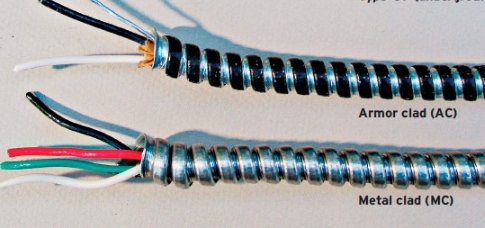

An AC cable, short for alternating current cable, is an essential component in our daily lives, yet often overlooked. It carries electrical power from the outlet to our devices, ensuring they function smoothly. The simple-looking cord holds the key to powering up our electronics, making it a crucial part of our modern world. Whether it’s charging your phone or running your appliances, the AC cable quietly plays its vital role behind the scenes. Let’s uncover the mystery behind this unassuming yet indispensable piece of technology.

What is AC Cable: A Comprehensive Guide
Welcome to our detailed guide on AC cables! If you’ve ever wondered about those cables that power up your devices, lights, and appliances, you’re in the right place. In this article, we’ll explore everything you need to know about AC cables, from what they are to how they work and why they’re important in our daily lives.
Understanding the Basics: What is AC Cable?
To start off, let’s break down the term “AC cable.” AC stands for alternating current, which is the type of electrical current commonly used to power homes and businesses. An AC cable is a type of electrical cable specifically designed to carry alternating current from a power source to various electrical devices.
AC cables are made up of conductive materials, usually copper or aluminum, surrounded by insulating layers to prevent electrical leakage or short circuits. These cables come in different sizes and types, each serving a specific purpose based on the amount of current they need to carry.
The Role of AC Cables in Powering Devices
AC cables play a crucial role in delivering electrical power to a wide range of devices and appliances we use every day. From charging your smartphone to lighting up your home, AC cables are the unsung heroes behind the scenes.
When you plug in a device or appliance into an electrical outlet, the AC cable connected to it serves as the bridge that allows electricity to flow from the power source to the device. Without AC cables, we wouldn’t be able to enjoy the convenience of modern technology that we often take for granted.
Types of AC Cables
There are several types of AC cables, each designed for specific applications and environments. Let’s take a closer look at some common types of AC cables:
1. Power Cords
Power cords are the most common type of AC cables you’ll encounter in your everyday life. These cables typically have a plug on one end that connects to a power outlet and a connector on the other end that plugs into a device or appliance.
Power cords come in various lengths and configurations to suit different needs, whether you’re charging your laptop or powering a kitchen appliance. It’s important to use the right type of power cord for each device to ensure safe and efficient power delivery.
2. Extension Cords
Extension cords are longer AC cables designed to extend the reach of power outlets. They are handy when you need to power a device or appliance that is far from an existing outlet. However, it’s essential to use extension cords properly and avoid overloading them with too many devices, which can cause overheating and pose a fire hazard.
3. Bulk Power Cables
Bulk power cables are heavy-duty AC cables used in industrial settings or for powering large appliances. These cables are built to handle high currents and voltages safely. They are often thicker and more robust than standard power cords to withstand the demands of heavy-duty applications.
How AC Cables Work
Now that we’ve covered the basics of AC cables let’s delve into how they work to deliver electricity safely and efficiently. When an AC cable is plugged into a power source such as a wall outlet, it forms a closed loop that allows electricity to flow from the source to the connected device.
Inside the AC cable, the conductive materials, usually copper wires, carry the alternating current from the power source to the device. The insulating layers surrounding the conductors prevent the current from escaping or coming into contact with other objects, ensuring safe power delivery.
As the current flows through the cable, it powers the device, allowing it to function as intended. The continuous flow of electricity through the AC cable is what enables our devices to light up, operate, and perform various functions that make our lives easier.
The Importance of AC Cables
AC cables are the backbone of our electrical infrastructure, enabling us to power our homes, offices, and industries. Without AC cables, electricity wouldn’t reach our devices safely and efficiently, leading to widespread power outages and disruptions in our daily lives.
By understanding the role of AC cables and using them correctly, we can ensure reliable power delivery to our devices while maintaining safety standards. Whether you’re charging your phone, watching TV, or cooking dinner, AC cables are working behind the scenes to make it all possible.
In conclusion, AC cables are an essential component of our electrical systems, responsible for powering the devices and appliances that we rely on every day. By knowing what AC cables are, how they work, and the different types available, we can appreciate the role they play in keeping our modern world powered and connected.
Next time you plug in your device or flip a switch, take a moment to appreciate the humble AC cable that makes it all possible. Remember to use AC cables safely and responsibly to ensure a continuous and reliable power supply for all your electrical needs.
awg wire size chart
Frequently Asked Questions
What is an AC cable?
An AC cable, short for Alternating Current cable, is a type of electrical cable used to transmit electrical power in the form of alternating current from a power source to a device, appliance, or equipment. AC cables come in various types and sizes, designed to handle different voltage and current requirements.
How does an AC cable work?
When connected to a power source, an AC cable carries electrical current that flows back and forth in a cyclical manner, constantly changing direction. This alternating current allows the cable to transmit power efficiently to the connected device or equipment for their operation.
What are the common types of AC cables?
Common types of AC cables include power cords, extension cords, and appliance cords. These cables are often categorized based on their current-carrying capacity, insulation material, and connector types to ensure compatibility with different devices and power outlets.
What safety precautions should be considered when using AC cables?
When using AC cables, it is important to check for any signs of damage such as fraying, exposed wires, or overheating. Avoid overloading circuits by using the appropriate cable for the intended purpose. Ensure proper grounding to prevent electrical shocks and fire hazards.
Final Thoughts
In conclusion, an AC cable, short for an alternating current cable, is an essential component in powering electronic devices. AC cables carry electricity from the power source to the device, allowing it to function properly. Understanding the importance of AC cables is crucial for ensuring the safe and efficient operation of your devices. Remember to always use the appropriate AC cable for your specific electronic equipment to avoid any potential hazards.


