
Open spaces are no longer just empty patches of land; they are becoming dynamic environments where people gather, move, and connect. Walk through any modern city today and you will notice a shift in how people engage with their surroundings. From early morning joggers to children playing after school, these spaces are shaping healthier lifestyles and stronger communities, supported by the growing demand for fitness sports equipment in Saudi Arabia.
This transformation is not accidental. It is the result of thoughtful planning, innovative design, and the growing demand for accessible recreational areas. As urban life becomes more fast-paced, the need for well-designed sports and fitness spaces continues to grow. These environments are not just about physical activity; they influence social interaction, mental well-being, and overall quality of life.
Why Infrastructure Matters More Than Ever
The success of any sports or recreational space depends heavily on its infrastructure. A well-designed facility encourages consistent use, while a poorly planned one often gets ignored. People are naturally drawn to spaces that feel safe, comfortable, and engaging.
Quality surfaces, durable equipment, and smart layouts play a crucial role in shaping user experience. Whether it is a community park or a professional training facility, every detail matters. From the texture of the flooring to the placement of equipment, these elements work together to create an environment that motivates people to stay active.
In regions experiencing rapid development, the demand for fitness sports equipment has seen significant growth. This reflects a broader shift toward prioritizing health and wellness in urban planning.
The Rise of Outdoor Fitness Culture
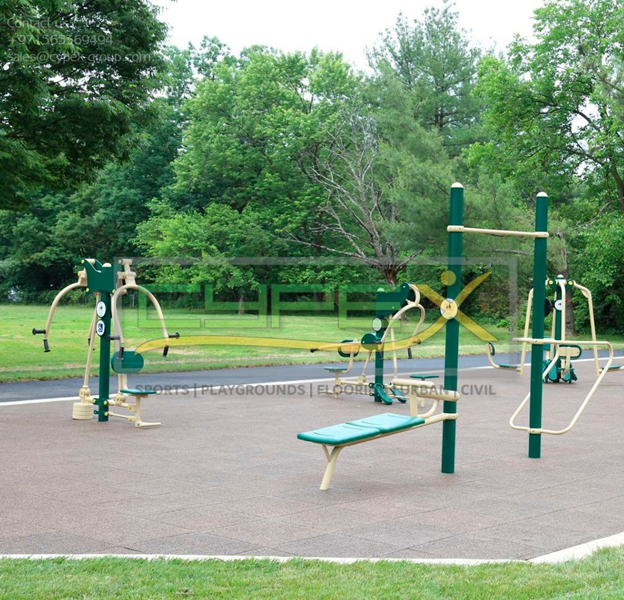
There has been a noticeable shift toward outdoor fitness in recent years. People are increasingly choosing open-air environments over enclosed gyms. This change is driven by a desire for fresh air, natural surroundings, and a more relaxed atmosphere.
Outdoor fitness areas offer flexibility and convenience. They allow users to exercise at their own pace without the constraints of memberships or schedules. These spaces also promote social interaction, as people often work out together, share tips, and motivate one another.
The role of outdoor sports equipment suppliers has become increasingly important in supporting this trend. By providing durable and weather-resistant solutions, they help ensure that these spaces remain functional and appealing over time.
Balancing Functionality and Aesthetics
While functionality is essential, aesthetics should not be overlooked. The visual appeal of a sports facility can significantly influence how people perceive and use the space. Clean lines, vibrant colors, and thoughtful landscaping can transform an ordinary area into an inviting destination.
Designers are now focusing on creating spaces that blend seamlessly with their surroundings. This approach not only enhances the overall look of the area but also encourages more people to use it. When a space feels welcoming, it naturally attracts a larger and more diverse group of users.
The integration of natural elements such as greenery, shade structures, and water features further enhances the experience. These additions create a balanced environment where people can relax and recharge while staying active.
Safety as a Core Priority
Safety is a fundamental consideration in the development of sports and recreational spaces. Every piece of equipment and every surface must meet strict standards to ensure user protection. This is especially important in areas frequented by children.
Non-slip surfaces, impact-absorbing materials, and well-maintained equipment are essential components of a safe environment. Regular inspections and maintenance also play a crucial role in preventing accidents and ensuring long-term usability.
When users feel safe, they are more likely to engage with the space regularly. This sense of security builds trust and encourages consistent participation in physical activities.
Technology and Innovation in Sports Spaces
Technology is playing an increasingly important role in shaping modern sports infrastructure. From smart lighting systems to interactive fitness equipment, innovation is enhancing the user experience in many ways.
Digital tracking systems allow users to monitor their progress, while app-based integrations provide personalized workout plans. These advancements make fitness more engaging and accessible, especially for younger generations who are accustomed to digital interactions.
In addition, advanced materials and construction techniques are improving the durability and performance of sports facilities. This ensures that they can withstand heavy use and varying weather conditions without compromising on quality.
The Role of Strategic Planning
Behind every successful sports facility is a well-thought-out plan. Strategic planning involves understanding the needs of the community, analyzing available space, and selecting the right equipment and materials.
This process requires collaboration between designers, engineers, and stakeholders. By working together, they can create spaces that are both functional and visually appealing.
The growing demand for fitness sports equipment in Saudi Arabia highlights the importance of careful planning and execution. As more communities invest in sports infrastructure, the need for expertise and innovation continues to rise.
Encouraging Community Engagement
Sports spaces are more than just places to exercise; they are hubs of social interaction. They bring people together, encourage teamwork, and create opportunities for meaningful connections.
Events, group activities, and community programs can further enhance the value of these spaces. By fostering a sense of community, sports facilities can become integral parts of everyday life.
Engaged communities are more likely to take care of these spaces, ensuring their longevity and continued success. This creates a positive cycle where well-maintained facilities attract more users, leading to greater community involvement.
Looking Ahead to the Future
The future of sports infrastructure lies in adaptability and innovation. As lifestyles continue to evolve, so too must the spaces that support them. Flexible designs, multifunctional areas, and advanced technologies will play a key role in shaping the next generation of sports facilities.
The contribution of outdoor sports equipment suppliers will remain crucial in meeting these evolving demands. By offering innovative solutions, they help create spaces that are both practical and inspiring.
As cities expand and populations grow, the importance of well-designed sports infrastructure will only increase. These spaces will continue to play a vital role in promoting health, well-being, and community engagement.
Conclusion
Creating impactful sports and recreational spaces requires a balance of design, functionality, and innovation. From inclusive layouts to sustainable practices, every element contributes to the overall success of a facility. As the demand for high-quality infrastructure continues to grow, the need for reliable solutions becomes even more important.
For those looking to develop or enhance such spaces, Cypex Group offers expertise and solutions that align with modern expectations, helping bring thoughtful and durable sports environments to life.