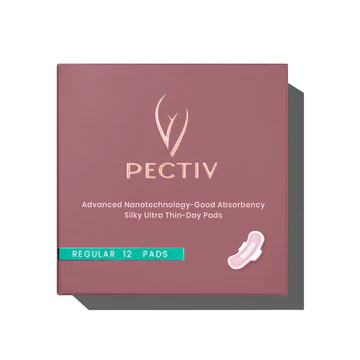

Managing the menstrual cycle is no longer limited to routine purchases or habitual choices. A noticeable shift has taken place in how individuals evaluate comfort, hygiene, and long-term health when selecting products for monthly use. Awareness has sharpened, expectations have evolved, and the conversation now centers on materials, functionality, and user experience rather than mere availability.
Within this evolving landscape, period products have become a subject of closer scrutiny. Consumers now prioritize breathability, skin compatibility, and performance, expecting solutions that integrate seamlessly into daily routines. This shift reflects a more informed approach, where product design and material science play a direct role in overall well-being.
Understanding the Role of Material Composition
Material selection determines how a product interacts with the skin over extended use. The outer layer, absorbent core, and structural build influence comfort, especially during long wear hours. Poor material quality often leads to friction, irritation, or discomfort that accumulates over time.
Modern solutions emphasize breathable, hypoallergenic layers that reduce irritation risks. Products designed with soft-touch surfaces and chemical-free construction help maintain skin balance while minimizing unwanted reactions. This transition toward safer materials reflects a deeper understanding of user needs and physiological sensitivity.
Absorption Technology and Performance Expectations
Absorption is no longer about capacity alone. Performance now includes how evenly fluid is distributed and how effectively moisture is locked away from the skin. This ensures dryness without unnecessary bulk or stiffness during movement.
Advanced designs incorporate layered absorption systems that enhance fluid management. Some products now achieve significantly higher absorption efficiency while remaining ultra-thin, improving both comfort and reliability during use.
Skin Sensitivity and Long-Term Use
Repeated exposure to unsuitable materials can result in irritation, particularly for individuals with sensitive skin. Common triggers include synthetic surfaces, chemical additives, and moisture retention, all of which can disrupt skin health.
Manufacturers are addressing these concerns with dermatologically tested, fragrance-free options. By eliminating unnecessary additives and improving airflow, these products reduce the likelihood of rashes and discomfort during prolonged use. Consistency in comfort becomes a defining factor over time.
Evolving Design for Daily Mobility
Mobility requires adaptability. Products must remain stable during movement, whether during work, travel, or physical activity. Design innovations now focus on flexibility, fit, and secure positioning to ensure uninterrupted performance.
Thin, contoured structures allow products to move naturally with the body. This minimizes awareness during wear while maintaining functionality. Improved structural design reflects a user-centric approach that aligns with modern lifestyles.
Fit and Ergonomic Structure
A well-designed shape aligns with body contours, reducing displacement during movement. This enhances both comfort and efficiency throughout extended wear periods.
Secure Adhesion Systems
Balanced adhesion ensures the product stays in place without causing discomfort during removal. Stability without harsh bonding improves overall usability.
Flexibility During Activity
Flexible construction allows products to adapt to various movements without compromising performance. This is particularly important for active routines.
Discreet Wearability
Low-profile designs reduce visibility under clothing. Silent materials and thin layers contribute to a more confident, distraction-free experience.
Sustainability and Environmental Considerations
Environmental awareness has influenced purchasing behavior significantly. Disposable hygiene products contribute to long-term waste, prompting interest in more responsible production methods and materials.
Brands are exploring ways to reduce plastic usage, improve packaging efficiency, and introduce sustainable alternatives. These efforts aim to balance convenience with environmental responsibility, aligning with broader ecological concerns.
- Reduced reliance on non-degradable components
- More efficient packaging design
- Exploration of reusable or hybrid solutions
- Responsible sourcing of materials
Hygiene Standards and Product Safety
Maintaining hygiene is essential for any product used regularly. Safety standards ensure that products remain free from contaminants while preserving their structural integrity during use.
Controlled manufacturing environments and strict quality checks contribute to consistent product performance. Transparency in labeling and compliance with safety guidelines provide users with confidence in their choices.
- Regulated production processes
- Consistent quality assurance protocols
- Clear material disclosure
- Compliance with health standards
Personalization and Choice Diversity
Individual needs vary significantly. Factors such as flow intensity, daily routine, and comfort preferences require a range of options. The availability of specialized designs allows users to select products tailored to their specific requirements.
Options now extend beyond basic variations, including products designed for different times of day, activity levels, and user demographics. This level of customization enhances both usability and satisfaction.
Convenience in Modern Distribution Channels
Accessibility has improved through digital platforms, allowing users to explore product ranges with greater ease. Detailed descriptions and structured collections enable informed decision-making before purchase.
Online availability ensures consistency and convenience, reducing dependency on physical stores. It also allows users to compare features and select products based on precise requirements rather than limited availability.
Balancing Innovation with Practical Usability
Innovation must align with everyday practicality. While advanced features enhance performance, they must integrate seamlessly into daily routines without complexity.
Effective products combine simplicity with technological improvements, ensuring ease of use alongside reliability. This balance builds long-term trust and encourages consistent usage.
Material Transparency
Clear disclosure of materials helps users make informed decisions. Transparency reduces uncertainty and strengthens confidence in product quality.
Reliable Performance Metrics
Defined performance indicators allow users to match products with their needs. Consistency in results becomes a key factor in product selection.
User-Centric Design
Design choices rooted in real-life usage scenarios ensure functionality translates into practical benefits.
Adaptability Across Use Cases
Versatile products that perform well across different situations offer greater long-term value and usability.
Final Thoughts
What truly defines a dependable solution in a category shaped by comfort, safety, and evolving expectations? The answer lies in consistent performance, skin-conscious materials, and design that adapts to real-life needs rather than ideal conditions. Within this space, PECTIV focuses on engineered comfort through breathable, hypoallergenic layers, advanced odor control using anion technology, and product variations designed for day, night, and daily use, all aligned with modern hygiene expectations. This approach positions the brand within a refined segment of menstrual care products, where reliability and user experience remain central to everyday choices.