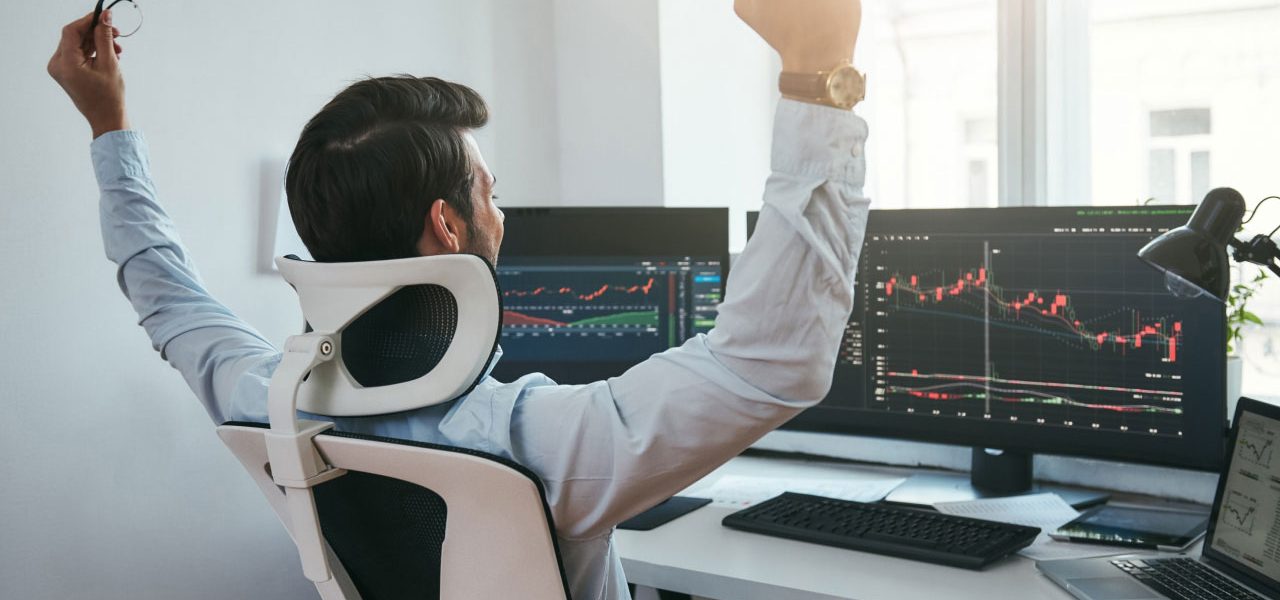

Achieving consistent profits in the forex market requires more than basic knowledge. Forex trading strategies provide advanced methods that help traders analyze the market effectively, manage risk, and optimize trade execution. By incorporating sophisticated tools and approaches, traders can improve performance and make better-informed decisions in any market condition.
What Are the Key Components of Advanced Forex Strategies?
Advanced strategies rely on a combination of market analysis, risk management, and execution discipline. They often include complex technical indicators, multi-timeframe analysis, and automated tools to enhance precision. Incorporating these elements helps traders identify high-probability setups, minimize emotional trading, and adapt quickly to market fluctuations.
Can Multi-Timeframe Analysis Enhance Trading Accuracy?
Yes, analyzing multiple timeframes allows traders to see both short-term and long-term trends. For example, a trader might use a daily chart to identify the overall trend and a 1-hour chart for precise entry points. This method reduces false signals, aligns trades with market momentum, and increases the probability of profitable outcomes.
How Do Technical Indicators Support Advanced Strategies?
Technical indicators are essential for identifying market conditions and confirming trade setups. Indicators like Fibonacci retracements, Bollinger Bands, MACD, and Ichimoku Clouds provide insights into support and resistance levels, volatility, and trend strength. Combining multiple indicators can help filter out noise and validate trading signals, enhancing accuracy and confidence.
What Role Does Risk Management Play in Advanced Trading?
Even the best strategies fail without proper risk control. Advanced methods include dynamic stop-loss placement, position-sizing adjustments based on volatility, and risk-reward calculations for every trade. Risk management ensures that no single trade can significantly impact account balance, protecting capital and allowing traders to pursue opportunities consistently.
Can Automated Trading Systems Improve Results?
Automation is a valuable tool for advanced traders. Expert Advisors (EAs) or algorithmic trading systems can execute pre-defined strategies, monitor multiple instruments, and respond instantly to market changes. Automation reduces emotional errors, enforces discipline, and allows traders to scale strategies across several markets simultaneously.
How Does Fundamental Analysis Integrate Into Advanced Strategies?
Fundamental analysis examines economic indicators, central bank policies, geopolitical events, and global news to anticipate currency movements. By combining technical setups with fundamental insights, traders can avoid risky trades during volatile events and take advantage of predictable market reactions, improving both timing and accuracy.
Are Backtesting and Strategy Optimization Important?
Absolutely. Backtesting allows traders to test strategies against historical data to identify strengths and weaknesses. Optimization adjusts parameters to improve performance under different market conditions. This process validates strategies before applying them in live trading, increasing reliability and reducing unexpected losses.
How Can Trend and Momentum Analysis Boost Trading Performance?
Trend and momentum indicators help traders identify strong market directions and potential reversals. Using tools like moving averages, ADX, and RSI, traders can align trades with dominant trends, enter positions at optimal points, and exit before momentum fades. This increases the likelihood of capturing sustained price movements.
Why Is Continuous Monitoring and Adaptation Necessary?
The forex market is dynamic, and strategies must evolve with changing conditions. Advanced traders continuously monitor trades, adapt risk parameters, and adjust strategies based on market behavior. Staying flexible and disciplined ensures long-term consistency and profitability.
In conclusion, forex trading strategies with advanced methods provide traders with tools to analyze, execute, and manage trades more effectively. By combining multi-timeframe analysis, technical and fundamental insights, risk management, automation, and backtesting, traders can improve results, reduce errors, and enhance confidence. Applying these methods strategically enables traders to achieve more consistent performance and pursue long-term success in the forex market.